SAFBIN
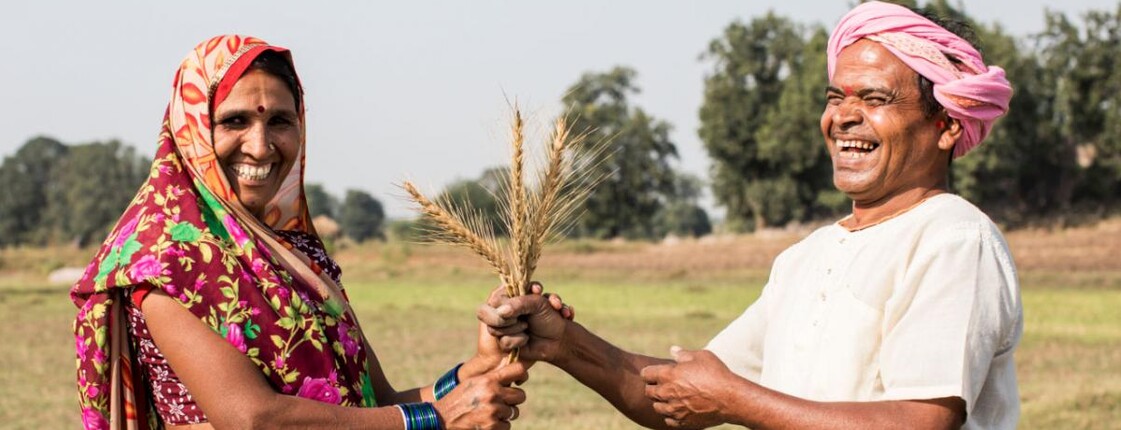
The project supports small farmers in implementing climate-resilient cultivation methods, securing their livelihoods and building sustainable food systems in South Asia. © Alexandra Wey
Strengthening Small Farmers in South Asia in Times of Climate Change
One third of all chronically undernourished people worldwide live in South Asia – a region severely affected by climate change, natural disasters and conflicts. Unpredictable rainy seasons, heat waves, cold spells and other weather extremes increasingly worsen the already difficult living conditions of small farmers.
14+ Years of Impact
- 5 Countries
- 36 Districts
- 339 Villages
- 883 Small Farmer Collectives
- Over 88,000 directly reached
- Over 113,000 lives touched
The SAFBIN project (Strengthening Adaptive Farming and Biodiversity Network) is a transnational regional programme supporting small farmers in South Asia. In the current phase, SAFBIN aims to support 4,500 households and more than 22,000 people in Bangladesh, India, Nepal, Pakistan and Sri Lanka in almost 100 villages, to secure their livelihoods despite climate change. The programme was first implemented in 2011 and is now in its third implementation period, running from 2023 to 2030.
The SAFBIN Programme
Building on a 5-year EU-co-funded agricultural research and development programme in Bangladesh, India and Nepal, SAFBIN was expanded to Pakistan in the second programme phase and is now also being implemented in Sri Lanka. In doing so, small farmers within the project are not only the target group, but actively contribute to solving the problems and consequences of climate change. Ultimately, the future of agriculture and the achievement of various climate goals lies in the hands of these farmers.
Within the SAFBIN project, small farmers themselves become researchers who can achieve higher yields using the simplest means (e.g. through greater species diversity and biodiversity, early/late sowing times, revitalisation of resilient local varieties, etc.) and can reduce resource consumption as well as external dependency (e.g. by avoiding chemical pesticides and recycling/upcycling local waste). At the same time, they are better protected against the consequences of climate change. Cross-border collaboration and knowledge exchange across five countries is also a distinctive feature of the project.
UN Sustainable Development Goals (SDGs)
- SDG 1 – No Poverty
- SDG 2 – Zero Hunger
- SDG 5 – Gender Equality
- SDG 10 – Reduced Inequalities
- SDG 12 – Sustainable Consumption and Production (Official: Ensure sustainable consumption and production patterns)
- SDG 13 – Climate Action
- SDG 15 – Life on Land
- SDG 17 – Partnerships for the Goals
SAFBIN – The Journey
- Resilience against climate anomalies and climate change
- Disaster preparedness
- Ending Hunger
- Food and Nutrition Security
- Promoting responsible stewardship of Nature and Biodiversity
- Sustainability and Health of landscapes & food
The goals of SAFBIN
SAFBIN aims to improve climate-resilient agriculture for sustainable, local markets as well as the wellbeing and dignity of small farmers in South Asia. This is to be achieved through:
- Improved resilience of small farmers and their farms against climate change, natural disasters and volatile markets
- Local food and nutrition security for small farmers (securing access to and control over their own land, seeds, and conveying rights and know-how for small farmers)
- Increasing the income and recognition of small farmers
- Reducing climate-induced displacement of young people and women
- Management and protection of natural resources
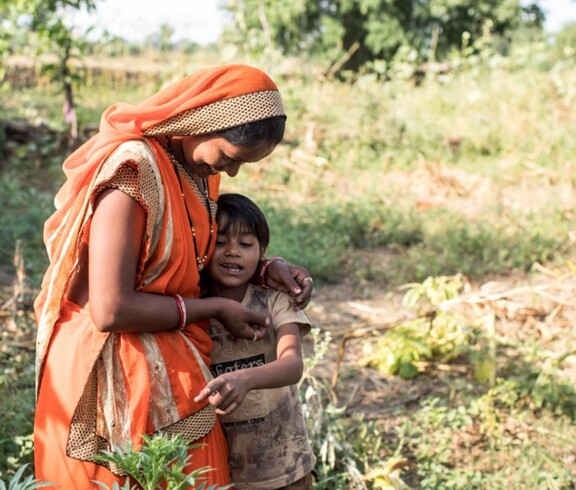
Sowing the Future – Strengthening Families
SAFBIN works to ensure that families can improve their food security, increase their income and farm more climate-resilient.
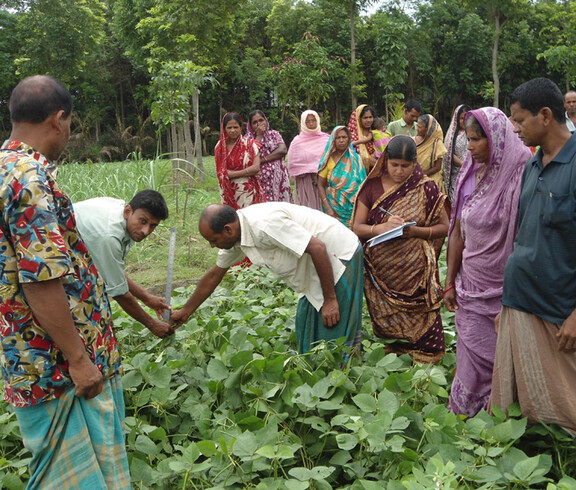
Field Training in the SAFBIN Project
Wir>Ich: Partnership with research institutions and public authorities play a central role in SAFBIN
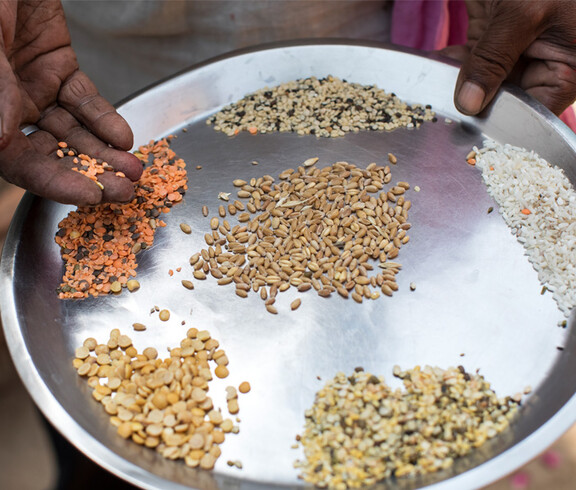
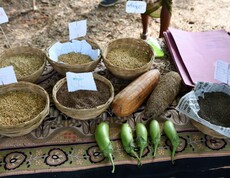
Local and Resilient Grain Varieties
SAFBIN focuses on local and resistant varieties that are also resistant to consequences of climate change
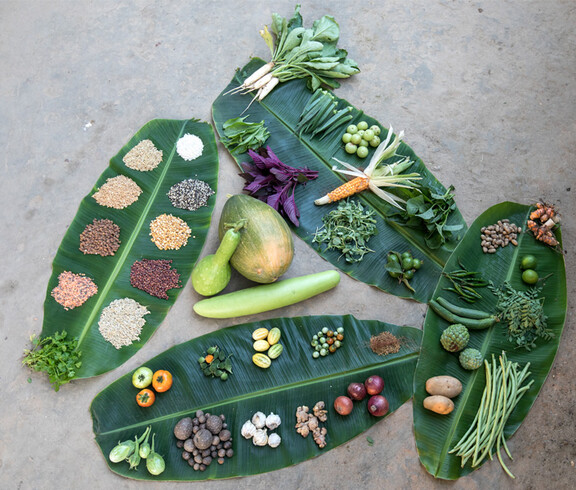
Diversity Through Modern Cultivation Methods
Through modern cultivation methods, the small farmers receive a much higher yield per harvest
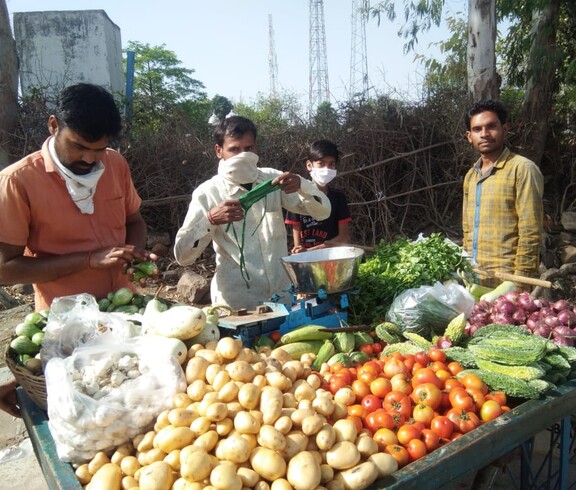
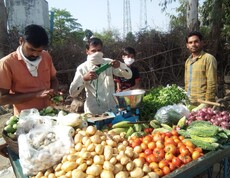
Local Markets Secure Income
Through improved cultivation methods and the promotion of climate-resilient varieties, small farmers can not only feed their families but also market surplus produce
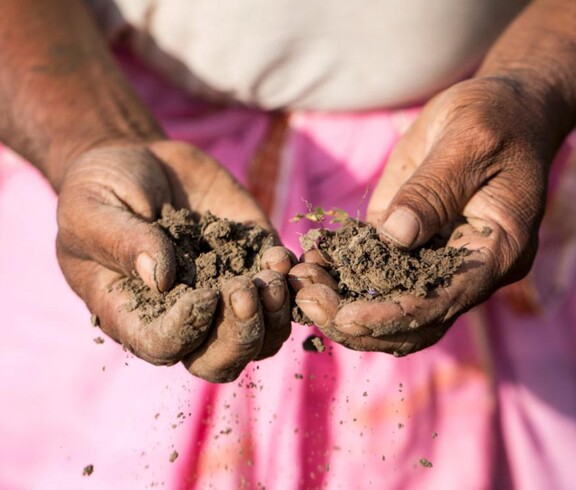
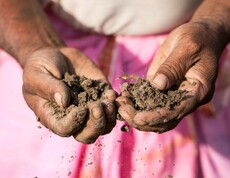
Fertile Soils as the Foundation of Life
Healthy, fertile soils are the prerequisite for climate-resilient agriculture
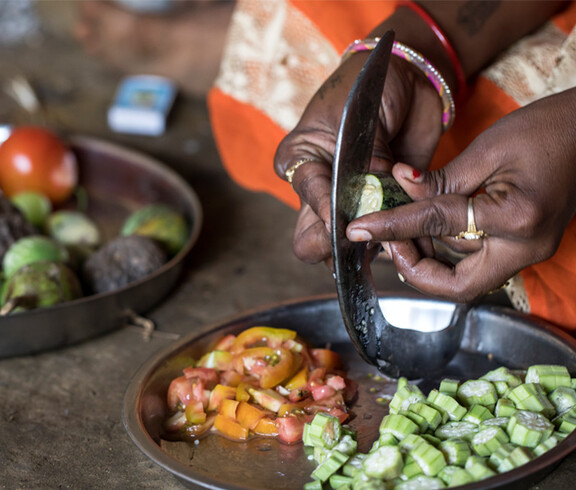
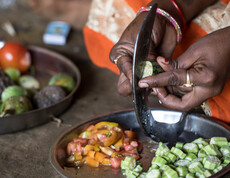
Processing and Marketing the Harvest
SAFBIN also supports small farmers in marketing their crop yields
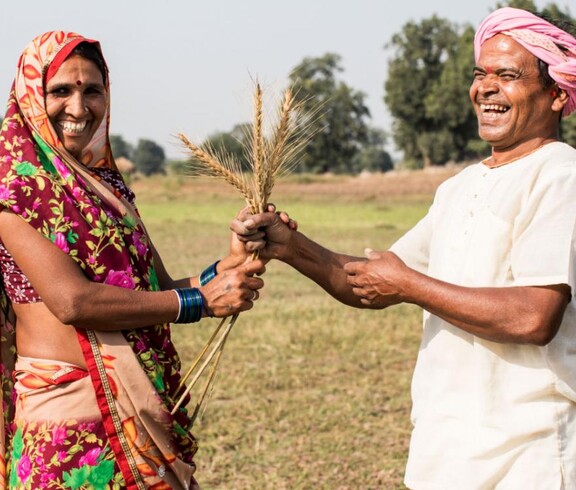
Empowering Small Farmers, Promoting Climate Resilience
The project supports small farmers in implementing climate-resilient cultivation methods, securing their livelihoods and building sustainable food systems in South Asia.
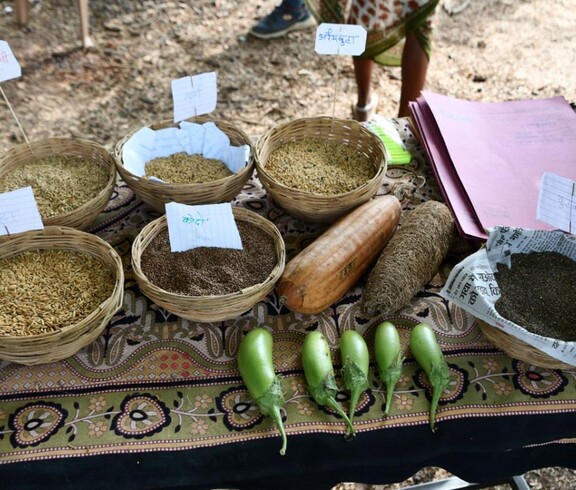
Diversity from the Seed Basket
Small farmers share their traditional knowledge about resilient varieties, thereby reducing their dependence on external inputs
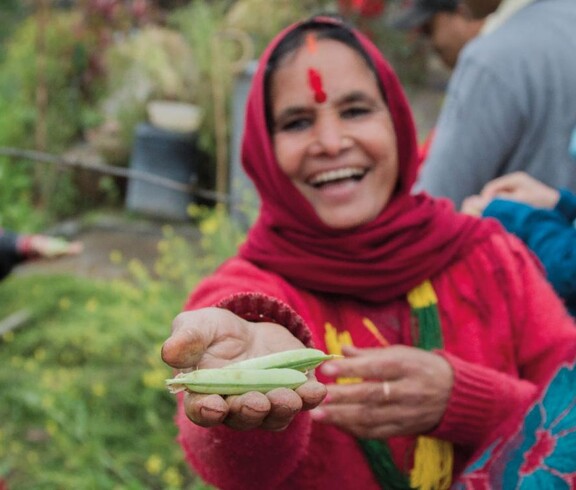
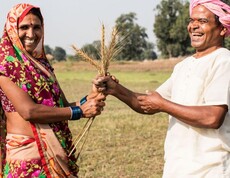
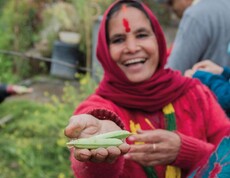
Harvest with Pride
A visible expression of what SAFBIN achieves
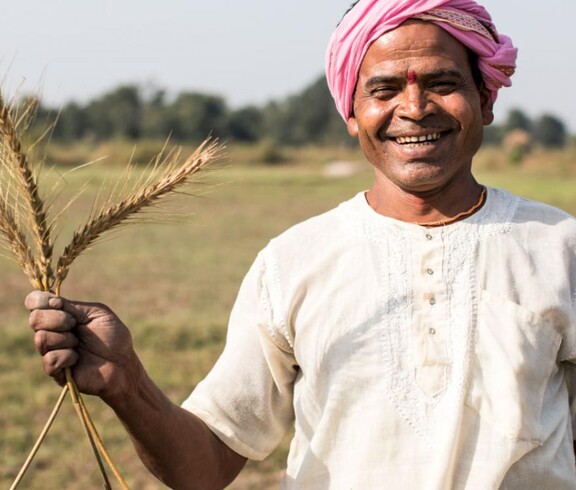
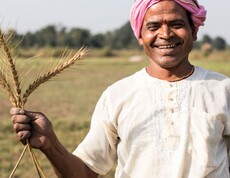
Successful Wheat Harvest in South Asia
In India, 85% of participating small farmers improved their dietary diversity and made their farms climate-resilient.
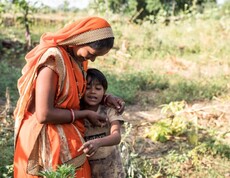
Sowing the Future – Strengthening Families
SAFBIN works to ensure that families can improve their food security, increase their income and farm more climate-resilient.
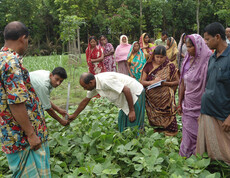
Field Training in the SAFBIN Project
Wir>Ich: Partnership with research institutions and public authorities play a central role in SAFBIN
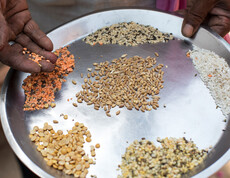
Local and Resilient Grain Varieties
SAFBIN focuses on local and resistant varieties that are also resistant to consequences of climate change
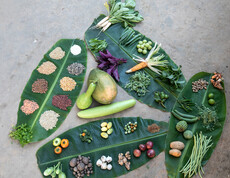
Diversity Through Modern Cultivation Methods
Through modern cultivation methods, the small farmers receive a much higher yield per harvest
Local Markets Secure Income
Through improved cultivation methods and the promotion of climate-resilient varieties, small farmers can not only feed their families but also market surplus produce
Fertile Soils as the Foundation of Life
Healthy, fertile soils are the prerequisite for climate-resilient agriculture
Processing and Marketing the Harvest
SAFBIN also supports small farmers in marketing their crop yields
Empowering Small Farmers, Promoting Climate Resilience
The project supports small farmers in implementing climate-resilient cultivation methods, securing their livelihoods and building sustainable food systems in South Asia.
Diversity from the Seed Basket
Small farmers share their traditional knowledge about resilient varieties, thereby reducing their dependence on external inputs
Harvest with Pride
A visible expression of what SAFBIN achieves
Successful Wheat Harvest in South Asia
In India, 85% of participating small farmers improved their dietary diversity and made their farms climate-resilient.
What we achieved so far
- SAFBIN I (2011–2016) began in India, Bangladesh and Nepal: 4,180 small farming families from 90 villages were reached, providing more than 10,000 farmers with support. During this time, the number of food items in the food basket increased by 71%.
- SAFBIN II (2018–2023) added Pakistan as the fourth focus country: 5,664 households were directly reached and more than 7,700 indirectly. During this time, dietary diversity increased by more than 76%.
- 64% of SAFBIN farmers were able to double their income by 2023, 73% of farms are climate-resilient, 61.2% of households have improved dietary diversity and 47% consume a balanced diet.
- In India, 85% of small farmers improved their dietary diversity, and their farms became climate-resilient.
- In Nepal, the proportion of small farmers consuming more than six food groups rose from 42.3% to 74.6%. More than 45% of SAFBIN farmers doubled their production and income.
- The SAFBIN III programme (2023–2026) was expanded to the fifth focus country Sri Lanka and now covers the entire South Asian subregion.
A world without hunger
In South Asia about 70% of the people are smallholder farmers practicing subsistence farming, which is barely sufficient to meet their food needs. They are most affected by food insecurity, especially due to the increasing effects of climate change. Caritas Austria has been supporting local Caritas organizations since 2011 in providing effective solutions for combating climate change and improving food security.
In line with the 2nd United Nations sustainable development goals (SDG's) and Caritas's vision "A world without hunger by 2030", SAFBIN will support more than 10.000 smallholder farmers in coming years who are affected by the effects of climate change.
This is how your donation helps:
- 50 EUR help setting up a nutrition garden for a smallholder family
- 50 EUR provide a family with a vermicompost unit, that converts organic waste into manure rich in high nutritional content
- 50 EUR provide a family farm with fruit tree plantation
- 100 EUR provide one new poultry, duckery, goatry units for a smallholder farm
- 200 EUR provide a village level awareness programme on climate change, farming systems, food security, land rights and entitlements etc.

More information and updates about the SAFBIN programme can be found on safbin.org.
Contact
Matteo Putzolu
Program Manager Middle East/Asia
Implementing partners


Funding agencies


