History
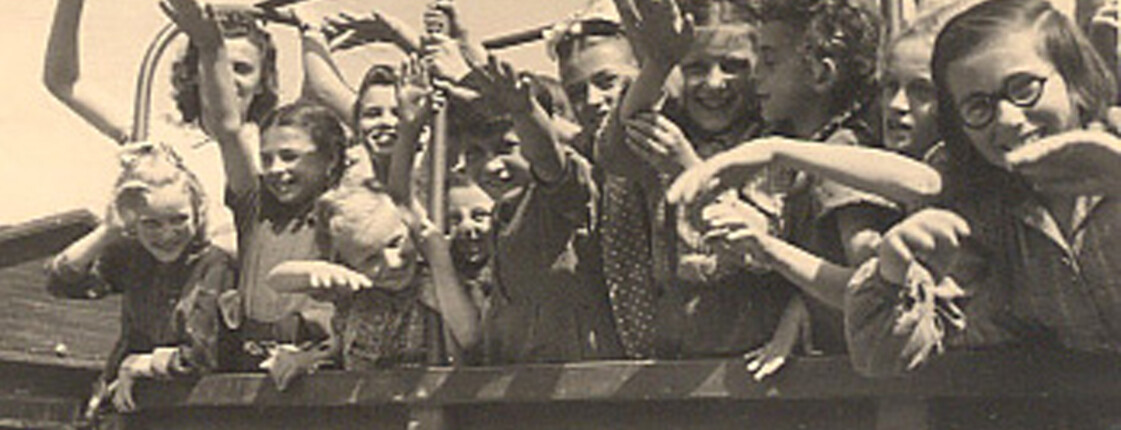
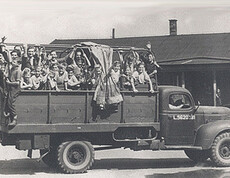
Caritas truck at the Auhof summer camp in 1946
Caritas since 1900
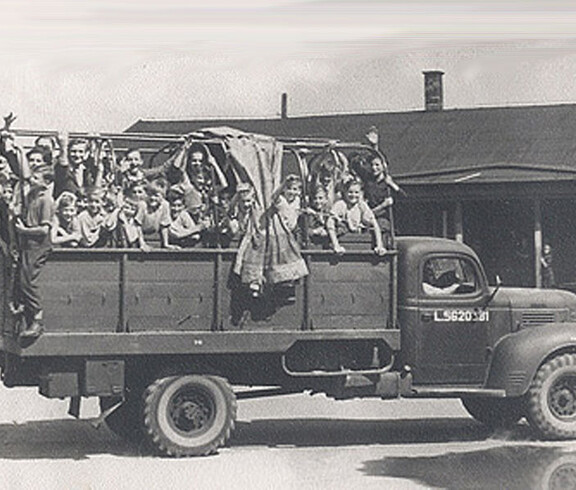
Caritas truck with children
A truck of Caritas with children on recreation in 1947 © Caritas
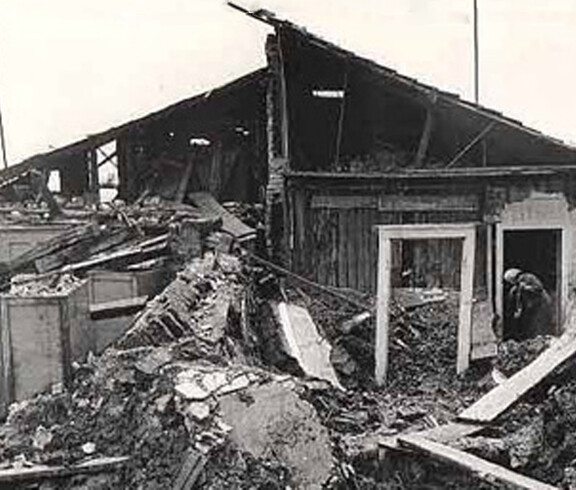
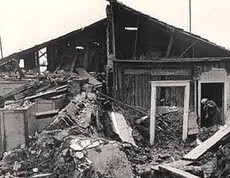
Collapsed house in southern Italy
Caritas supported those affected from the earthquake disaster in southern Italy in 1980 © Caritas
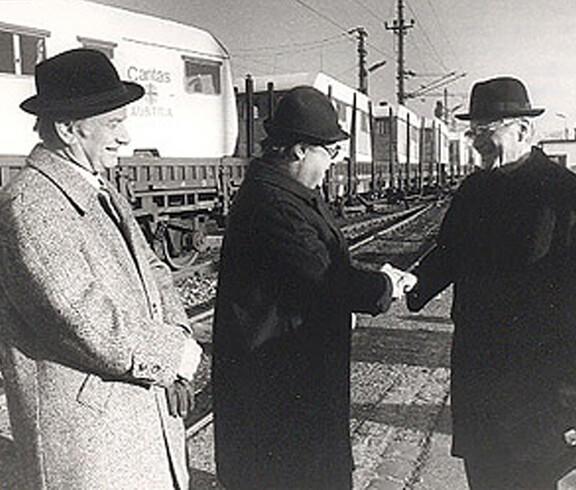
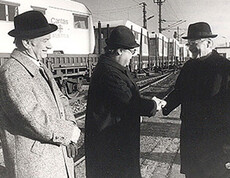
Caritas aid transport in southern Italy in 1980
Caritas supported those affected from the earthquake disaster in southern Italy in 1980 © Caritas
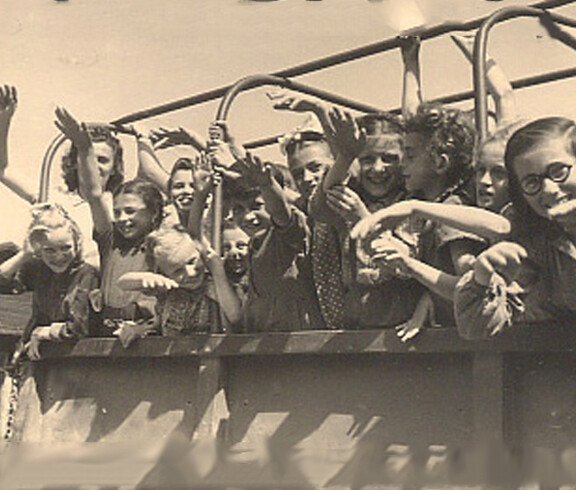
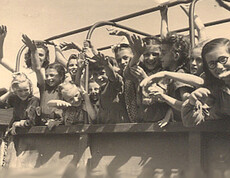
Happy children in a holiday camp in 1946
Caritas truck in the holiday camp Auhof in 1946 © Caritas
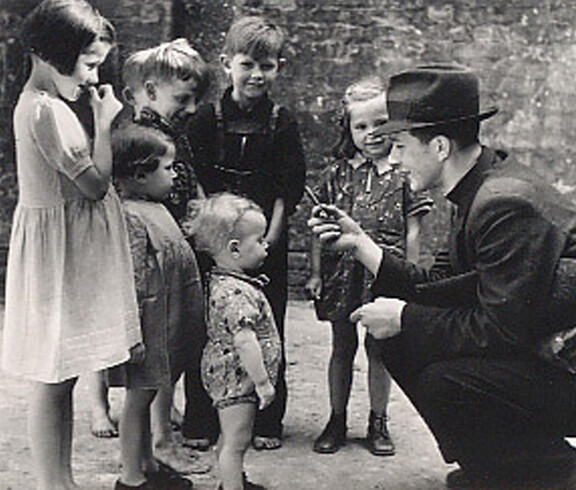
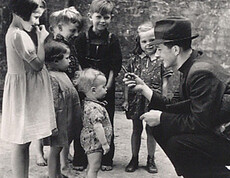
Group of children in the post-war period after World War II
A man speaks with a group of children in the postwar period, as part of the Caritas relief effort
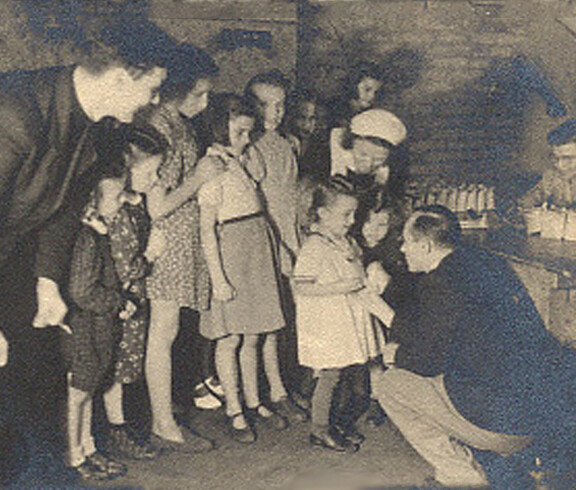
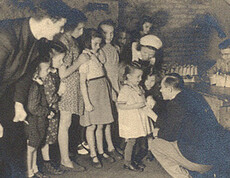
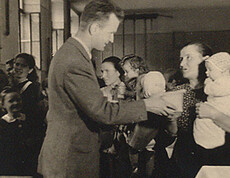
Delivery of sweets in the post-war area
Caritas delighting Austrian families with a delivery of sweets in 1946 © Caritas
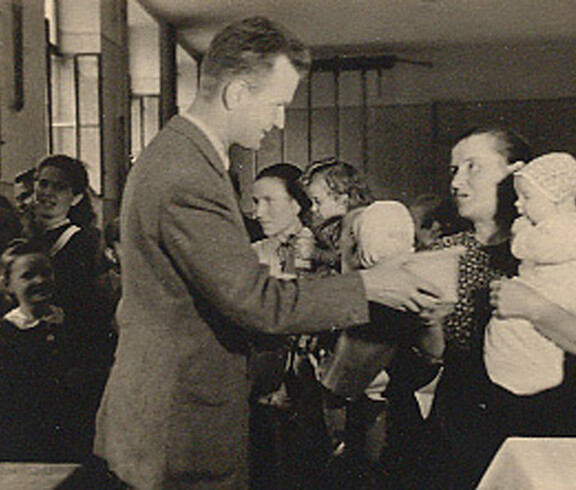
Caritas sweets deliveries in 1946
Caritas delighting Austrian families with a delivery of sweets in 1946 © Caritas
Caritas truck with children
A truck of Caritas with children on recreation in 1947 © Caritas
Collapsed house in southern Italy
Caritas supported those affected from the earthquake disaster in southern Italy in 1980 © Caritas
Caritas aid transport in southern Italy in 1980
Caritas supported those affected from the earthquake disaster in southern Italy in 1980 © Caritas
Happy children in a holiday camp in 1946
Caritas truck in the holiday camp Auhof in 1946 © Caritas
Group of children in the post-war period after World War II
A man speaks with a group of children in the postwar period, as part of the Caritas relief effort
Delivery of sweets in the post-war area
Caritas delighting Austrian families with a delivery of sweets in 1946 © Caritas
Caritas sweets deliveries in 1946
Caritas delighting Austrian families with a delivery of sweets in 1946 © Caritas
The early days
Shortly after the turn of the century, the first Caritas congresses took place in Austria. Even before World War I, it was decided to establish Caritas associations modeled after the German example. This allowed for better coordination of aid.
In the early decades, Caritas work consisted primarily of emergency relief: food distributions and clothing donations alleviated the suffering of the population during and after World War I. As part of the children’s recreation program, thousands of children from the cities found respite with families in the countryside. The “Caritas Funeral Fund” offered poorer people the opportunity to secure a Christian burial. The Caritas “Railway Station Mission” primarily cared for girls traveling alone, returning soldiers, displaced persons, and refugees.
Oppression by the Nazi regime
Despite severe obstacles and the dissolution of aid organizations, the work continues: “Non-Aryan” families receive assistance and support for emigration. A relief center in the Archbishop’s Palace in Vienna provides shelter for persecuted Catholics. Jewish children are issued baptismal certificates to protect them from the Nazis.
Postwar Period in Austria
At its first meeting shortly after the end of the war, the Austrian Bishops’ Conference decided to establish a Caritas office in every diocese as an “episcopal charity without association status.” Caritas aid in postwar Austria focused primarily on domestic efforts: assistance for the hungry, displaced persons, and those returning from the war. North America, Switzerland, Sweden, and other countries helped Austria with monetary and in-kind donations, and Caritas assisted with their distribution.
In the first postwar years, more than 250,000 inquiries were processed by Caritas’ “Central Tracing Service,” and 38,000 of them were successfully resolved.
Starting in 1949, numerous Caritas volunteers from the parishes went door-to-door to collect monetary donations.
“Children's Recreation Programs”
... are organized once again after having been banned in previous years by the Nazi Volkswohlfahrt. Throughout Austria, between 1945 and 1955, approximately 600,000 children and adolescents are cared for in 909 kindergartens and children's homes.
In 1948, the first Caritas family helper was hired in Innsbruck, followed shortly thereafter by family helpers in Graz, Linz, Salzburg, and Vorarlberg: The family helper stepped in when the mother was unable to work due to illness or childbirth.
The SOS Campaign, launched in 1950 by Prelate Leopold Ungar, appealed for help for fellow citizens in need through regional newspapers and radio broadcasts. Originally intended as a one-time campaign in a Catholic weekly newspaper, it soon developed into a separate department.
The 1960s to the Present
The “Economic Miracle” years have had consequences: People who cannot cope with the new pressures find themselves marginalized.
Family ties are loosening, and the demands—especially on single mothers—are increasing. Caritas responds to these social changes: its areas of activity are structured more clearly, and new departments are created. Individual assistance and social counseling replace the emergency aid of the postwar period. Marriage, family, and life counseling services are expanded throughout Austria. Between 1955 and 1960, Caritas in Linz, Graz, and Feldkirch establish their own departments dedicated to supporting people with alcohol problems. In 1964, Caritas Feldkirch opens its first workshop for people with disabilities. Throughout Austria, healthcare services and mobile care for the elderly are expanded. Numerous nursing homes are established.
New Priorities
Expanding assistance for homeless people and those at risk of homelessness was a priority for Caritas’s work throughout Austria in the 1980s. During this period, Caritas Vienna alone opened three shelters for homeless women and men. Caritas Innsbruck created housing for homeless youth and ran an employment project for unemployed young adults. Across Austria, Caritas offered counseling and assistance to people facing financial difficulties. Work with people with disabilities was expanded: small residential units were established where children and adults with disabilities could experience a safe and supportive environment.
War and Refugees
The collapse of the Eastern Bloc, the fall of the Iron Curtain, and the war in the former Yugoslavia have triggered refugee and migration flows since the early 1990s. Caritas sends aid shipments to crisis areas while also setting up counseling centers and emergency shelters for refugees.
Caritas’s work now encompasses nearly every aspect of human life: residential facilities for children, people with disabilities, refugees, the homeless, and the elderly; support for mothers and families; training centers; mobile and inpatient care for the elderly; hospice services; care for people with alcohol and drug dependencies; mobile and inpatient care for the homeless; legal counseling and projects for the long-term unemployed; as well as disaster relief and development aid abroad.