Education for children in the Middle East
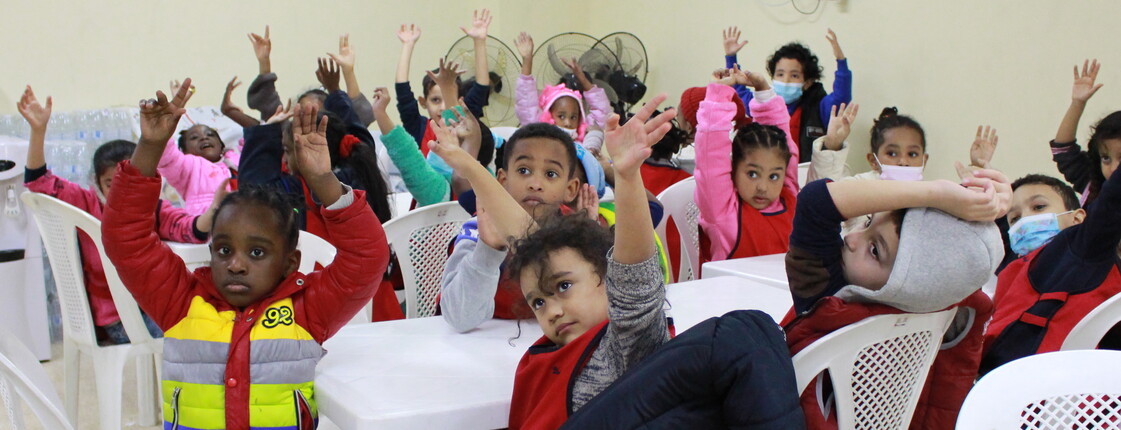
Children take part in a classroom activity as part of Caritas education programmes in the Middle East.
Education creates future prospects
According to the UN Convention on the Rights of the Child, every child has the right to education. This right applies to all children, regardless of whether they are refugees or displaced. Especially in times of crisis, school provides stability and support.
In Syria alone, more than 2.5 million children are currently unable to attend regular school.
In addition, over 115,000 children are temporarily unable to go to school because more than 435 schools are being used as emergency shelters.
The situation in Lebanon is also extremely difficult. Around one third of school-aged children do not attend school or do not receive adequate education. This affects approximately 700,000 children.
Even when the world around them feels uncertain, school gives children a sense of normality. It offers protection from violence, exploitation, and neglect, while providing a safe place to learn.
Education is the key to a self-determined future and an important path out of poverty. That is why our projects are committed to ensuring access to education.
Education creates hope in times of crisis
Education gives children stability and future prospects, even in times of crisis. Yet in the Middle East, access to education remains severely limited for many children. In Syria alone, more than 2.5 million children are currently unable to attend school.
The situation is also difficult in neighbouring countries such as Lebanon. Many refugee children are unable to attend school regularly or are forced to abandon their education. Conflict, poverty, and destroyed infrastructure make access to education even more challenging.
This is why education is especially important. It provides children with protection, stability, and new opportunities for their future.
The most important facts about education in the Middle East:
- More than 2.5 million children in Syria alone are unable to attend school
- An additional 1.6 million children are at risk of losing access to education
- 610,000 Syrian refugee children of school age are living in Lebanon
- Up to 80% of Syrian refugee adolescents in Lebanon do not attend secondary school
- Every eighth child needs psychosocial support to cope with traumatic experiences
The focus of all Caritas educational work is based on four cornerstones
In Syria, Lebanon, and Jordan, more than 1,200 children and young people between the ages of 3 and 18 currently have access to educational programmes. Overall, the projects reach more than 2,000 people.
Together with local partners and in coordination with the Ministries of Education, we implement education projects that create new opportunities for children and young people. The programmes range from kindergarten and regular school classes to catch-up and support classes that help children make up for missed learning.
In addition, we support children with transportation costs, school materials, and nutritious meals. Partner schools also benefit, for example through improved school buildings and equipment — creating better learning conditions for all students.
A key focus of Caritas’ educational work in the Middle East is the training and professional development of teachers. Educators are prepared to better respond to the needs of children affected by displacement and conflict.
Especially when working with traumatised children, it is essential to act with sensitivity and care. Only then can children fully participate in lessons and continue learning.
The goal is to strengthen child-centred and modern teaching methods within the public education system. Teachers learn how to actively engage children in the classroom and support the development of independent learning and problem-solving skills.
Children with disabilities also gain access to inclusive learning opportunities through our education projects. This enables them to learn, grow, and develop their full potential. Schools are renovated and designed to be accessible so that all children can attend school — regardless of gender, disability, or background.
Schools are also important places for community and social cohesion. They help reduce differences and strengthen mutual understanding and solidarity.
As part of our educational work, we also support the maintenance and improvement of school infrastructure, for example sanitation facilities. Where needed, we provide training on hygiene awareness and medical prevention measures. The importance of these efforts became especially clear during the COVID-19 pandemic.
We offer workshops for parents and caregivers on topics related to parenting and education. This helps families become more involved in their children’s learning and better understand the importance of education.
In addition, we organise meetings between parents and teachers. These discussions focus on the children’s learning progress, but also address possible challenges at home.
Parents and teachers also receive support in dealing with stress, emotional strain, and potential traumatic experiences.
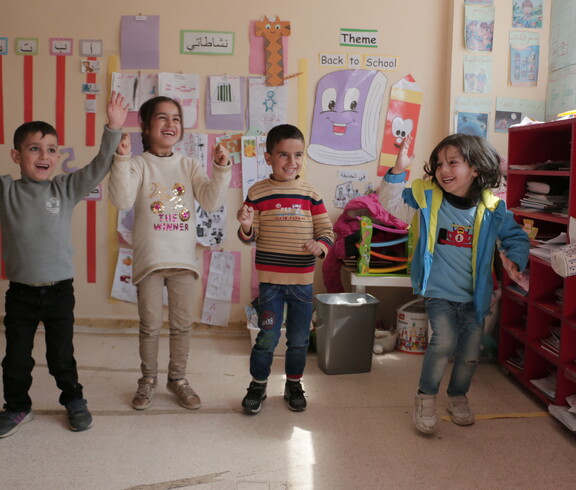
Children take part in a playful learning and group activity in a classroom in Lebanon
Such activities encourage joy in learning, strengthen social skills, and support active participation in the classroom.
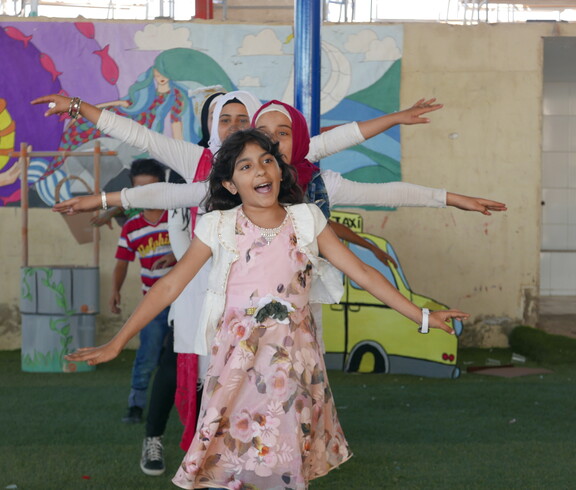
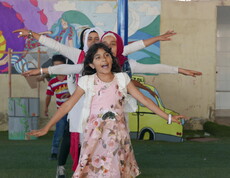
Girls dancing during a show build activity in Lebanon
Such activities strengthen children’s self-confidence, sense of community, and social development.
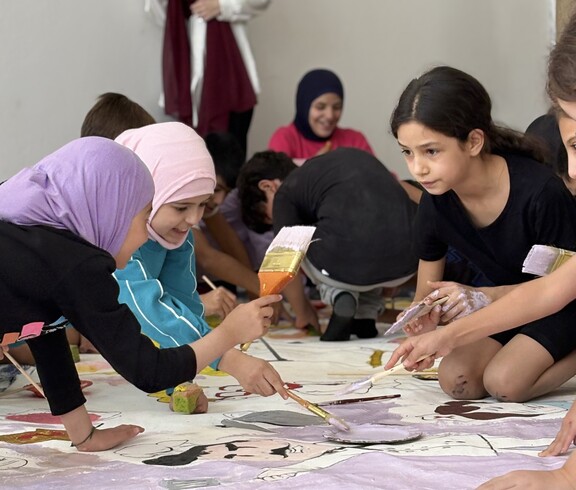
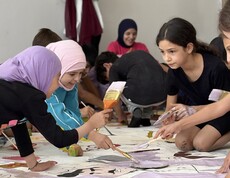
Children create posters during a show build workshop in Lebanon
Children take part in a creative workshop activity as part of an educational programme in Lebanon.
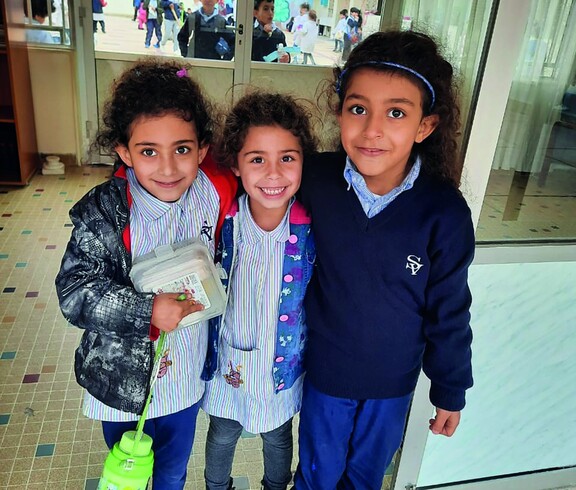
St. Vincent School in Broumana, Lebanon
At the Broumana House, 41 Lebanese and Syrian children receive access to education, psychological support, nutritious meals, and healthcare.
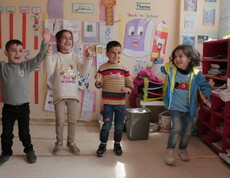
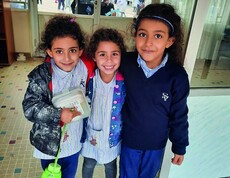
Children take part in a playful learning and group activity in a classroom in Lebanon
Such activities encourage joy in learning, strengthen social skills, and support active participation in the classroom.
Girls dancing during a show build activity in Lebanon
Such activities strengthen children’s self-confidence, sense of community, and social development.
Children create posters during a show build workshop in Lebanon
Children take part in a creative workshop activity as part of an educational programme in Lebanon.
St. Vincent School in Broumana, Lebanon
At the Broumana House, 41 Lebanese and Syrian children receive access to education, psychological support, nutritious meals, and healthcare.
A strong network for education in times of crisis
Children are especially affected by humanitarian crises. They often lose access to fundamental rights — including their right to education. This right is defined in the UN Convention on the Rights of the Child of 1989.
Education is particularly important in times of crisis. It gives children new perspectives and helps them cope with the consequences of war and displacement.
To make this possible, strong partnerships are essential. Caritas is part of UNICEF’s “No Lost Generation” initiative. Together with international partners, we are committed to ensuring that especially vulnerable children and young people have access to education, protection, and opportunities for development.
This is how your donation helps:
- 15 Euros provide a family with internet connection at home so that children can participate in distance learning opportunities.
- 25 Euros provide a child with all the necessary books and stationery for a whole school year.
- 52 Euros provide a child with a comprehensive therapy session (psychotherapy, psychomotor or speech therapy).
- 230 Euros help the 20 most vulnerable families whose children are in the Caritas education programme to cover their basic needs and pay rent.
Support our educational programmes in the Middle East
Donation account
Erste Bank
Purpose of donation: Education Middle East
IBAN: AT23 2011 1000 0123 4560
BIC: GIBAATWWXXX
Child protection
Protecting children and young people from abuse, violence, exploitation and neglect is a top priority in our work. Through Child Safeguarding, we ensure that children are protected and safe within our own organisation.
Further information on the Caritas Child Protection Policy.
Our project partners